Gildawie Lab
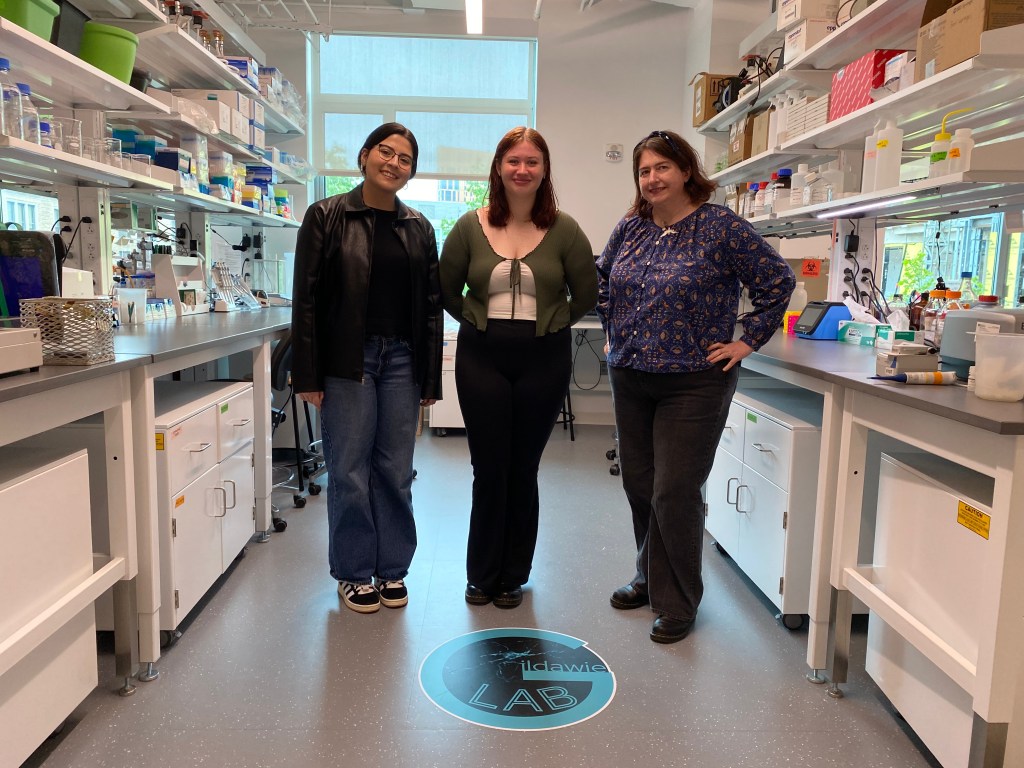
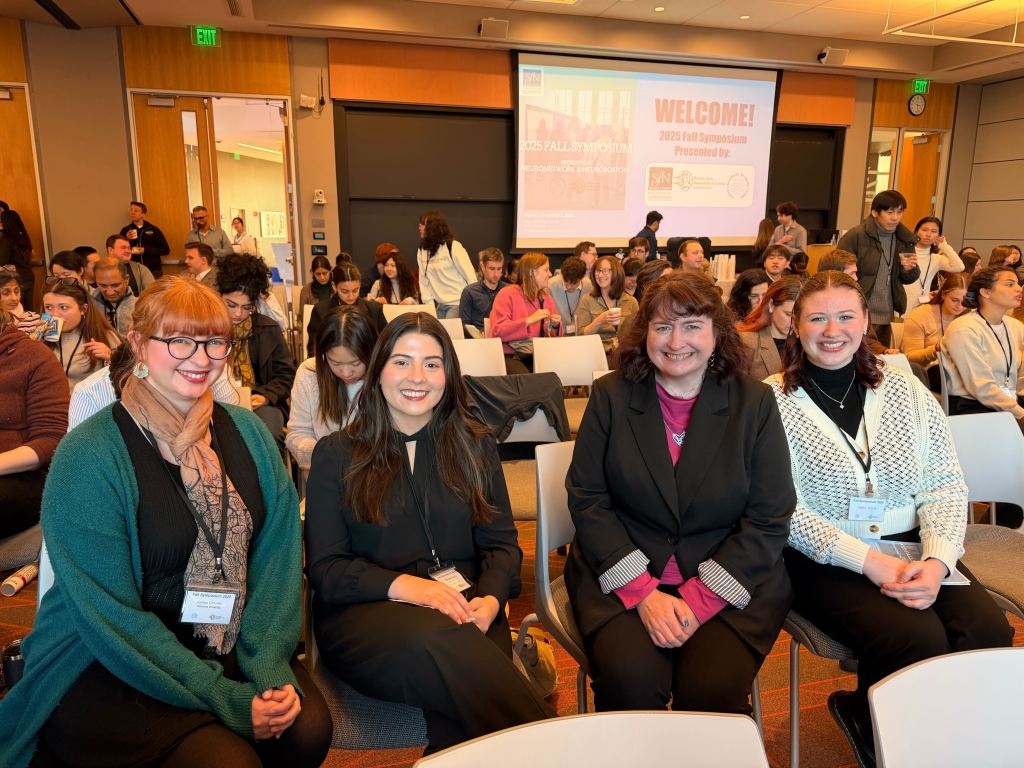

Sandra Bartlett (’26)
Undergraduate Researcher
Sandra is a neuroscience major in the neurobiology track. She is investigating the sex-dependent effects of prenatal opioid exposure on neuroimmune signaling in rats. Outside of the lab she plays classical flute and piccolo, goes to watch old movies with her husband, and spends time with her two cats, Penn and Teller.
2025 Summer Training in Academic Research at Simmons (STARS) Scholar

Déborah Duarte (’26)
Undergraduate Researcher
Déborah is a neuroscience major in the Cognitive Behavioral track. She is studying the effect of maternal separation on neural activation via immunohistochemical assessment of c-Fos in the prefrontal cortex of rats. Outside of the lab and school she plays piano, guitar, and the ukelele, volunteers at her church, and spends time with her fiancé.
2025 Summer Training in Academic Research at Simmons (STARS) Scholar
2025 Simmons Undergraduate Student Research Fund Awardee
2026 Simmons Senior Scholar Awardee

Anamaria Rozo (’27)
Undergraduate Researcher
Anamaria (she/her) is a Neurobiology and Computer Science student. She is spearheading animal work in the lab, investigating the effects of prenatal methadone exposure on adolescent development. Outside the lab, you can usually find her at a concert, shooting film photography, or spending time with her dog and friends around Boston
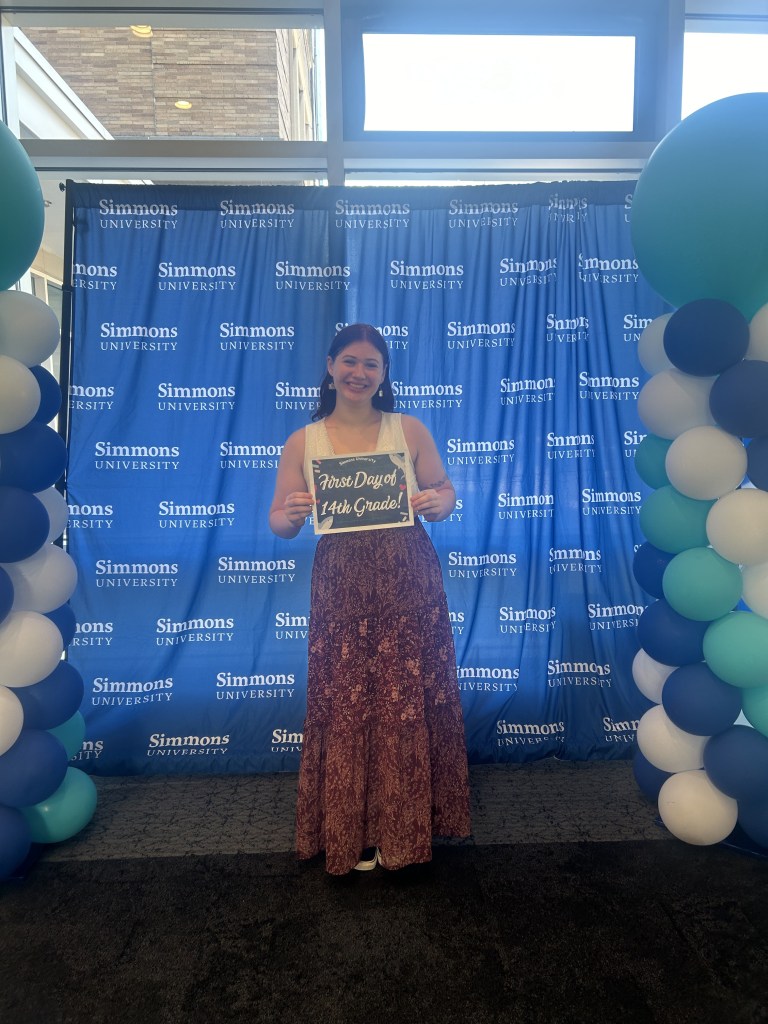
Abby Rish (’27)
Undergraduate Researcher
Abby is a sophomore at Simmons University, double majoring in neuroscience & behavior and philosophy. Her project focuses on the impact of neonatal microglia depletion on microglia morphology following early life adversity. Outside of school and lab, she enjoys spending time with friends, listening to music, and taking walks around Boston!
2025 Summer Undergraduate Research Program at Simmons (SURPASs) Scholar
2025-2026 Simmons Faculty-Student Collaborative Fellow
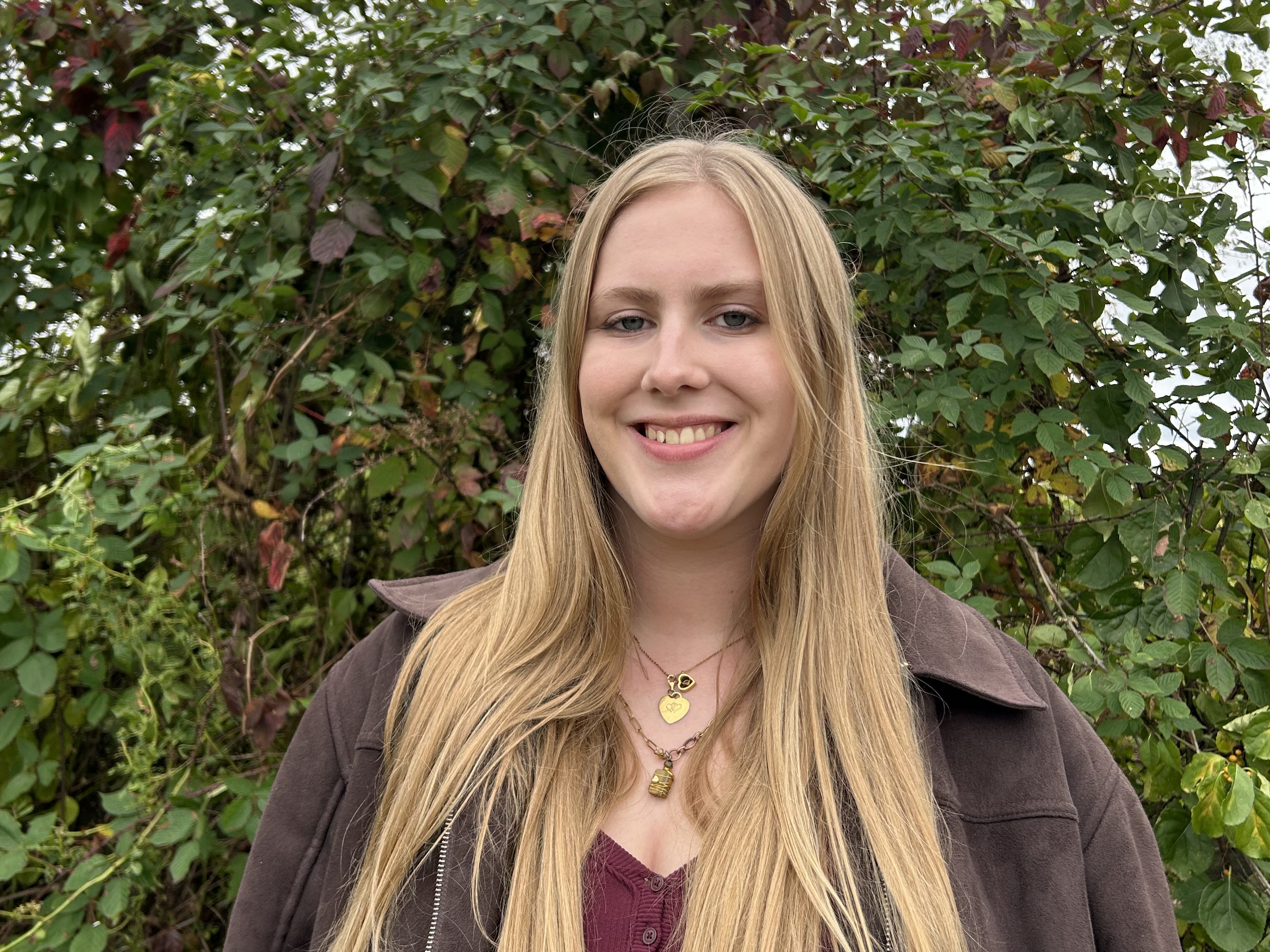
Kaleigh Stout (’27)
Undergraduate Researcher
Kaleigh is a junior at Simmons University pursuing a major in neuroscience. Her project focuses on the effects of prenatal opioid exposure on cannabinoid receptor expression in the amygdala of adult rats. Outside of the lab, she enjoys listening to music, painting, and thrifting around Boston.
2026 Summer Undergraduate Research Program at Simmons (SURPASs) Scholar
Research
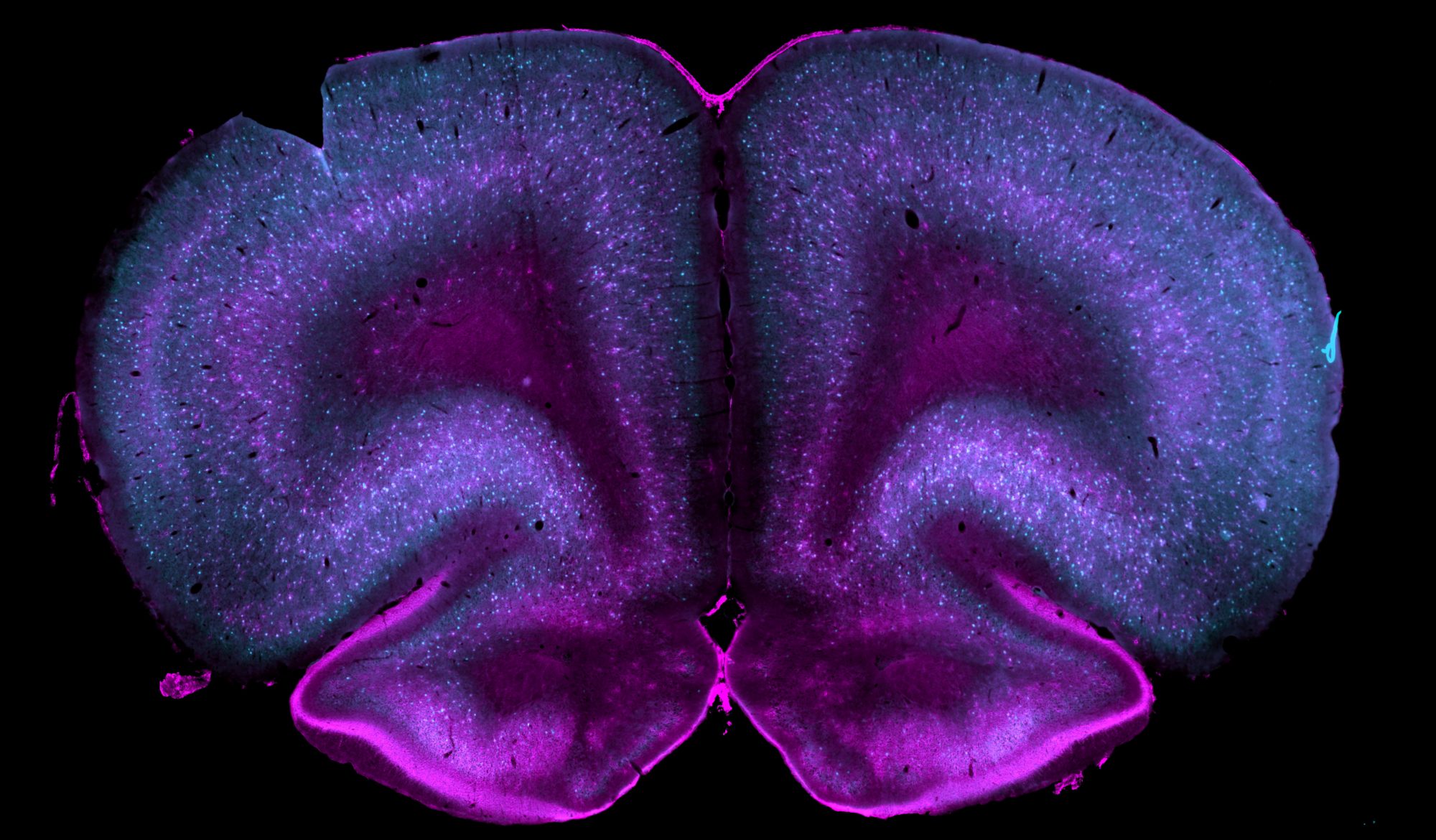
Adversity comes in myriad forms and has different outcomes depending on the stage of development in which it occurs. Research in the Gildawie Lab therefore explores the developmental and long-term effects of early life adversity on the brain and subsequent behavior. Clinical work has made major strides in assessing the effects of early life adversity in human populations, specifically identifying differing outcomes in girls and boys exposed to adverse experiences. In turn, research in humans informs preclinical research using animal models, which can provide additional insight into sex-dependent mechanisms driving adversity-induced dysfunction.
The Gildawie Lab focuses on the following overarching goals:
1) Identify the role of adversity in shaping behavior in males and females throughout the lifespan
2) Determine how developmental changes in the brain drive these sex-dependent behavioral outcomes, such as changes in cognition
3) Conduct clinically-informed research that has translational applications to the human experience
Our team is working on a number of projects to reach these goals:
1) Identify long-term effects of prenatal methadone exposure on offspring neuroimmune signaling
2) Determine how the neonatal neuroimmune environment mediates changes in microglia morphology following early life adversity via maternal separation
3) With funding from a Yale/NIDA Neuroproteomics Center Pilot Research Grant, characterize the effects of prenatal methadone exposure on the prefrontal cortex proteome
 Kelsea Rian Gildawie, PhD